

Overview: SAP Product Costing is the process of calculating what it costs to make a product within a company. It helps teams track spending on raw materials and labor to set fair prices and watch profit margins. This guide walks through how these costs flow through the system and how to fix common errors you might see in your daily work.
01. Introduction
In the world of manufacturing, the movement of a physical item-from a pile of raw steel to a finished car door-is mirrored by a complex digital trail of financial data. This is where SAP Product Costing (CO-PC) lives. For a junior consultant or an operations analyst, the system can feel like a labyrinth. You are tasked with ensuring that every cent spent on electricity, machine hours, and raw components is correctly accounted for before that item hits the warehouse shelf. When these costs are misaligned, your profit margins become a work of fiction, causing massive headaches during the month-end closing process.
Many beginners treat the costing run as a "set it and forget it" feature. They assume that if the Bill of Materials (BOM) is correct, the accounting will naturally sort itself out. However, SAP is a rule-based system. It does not "know" that a price update was skipped or that a routing is missing a machine activity. It simply processes the data you provide. Understanding the logic behind Material Ledger settings and quantity structures is not just about passing a certification; it is about preventing the "variance nightmares" that happen when actual production costs bear no resemblance to the standard costs defined at the beginning of the year.
In this article, we will move past the basic definitions and look at how these financial structures behave in a live environment. We will explore the lifecycle of a production order, discuss the trade-offs between different valuation methods, and look at the actual debugging steps needed when your costs show up as zero or inflated. Whether you are working in SAP S/4HANA or an older ECC environment, the foundational principles of controlling remain the same: garbage in, garbage out.
02. The Anatomy of a Cost Estimate
A cost estimate is essentially a prediction. Before a production run starts, the system calculates a standard cost based on the current master data. This estimate is the baseline against which all future efficiency is measured. If the estimate is flawed, your entire financial reporting strategy for that product line is fundamentally compromised.
Deconstructing the Quantity Structure
The quantity structure is the backbone of your cost estimate. It pulls data from the Bill of Materials (BOM) and the Routing. The BOM tells the system what materials are needed, while the routing explains how long the assembly takes and what machines are involved. If your routing includes a machine operation but the work center is not assigned a cost center, the system will effectively ignore that cost, resulting in a product that appears cheaper to make than it actually is. This is a common point of failure in new implementations.
Cost Components and Visibility
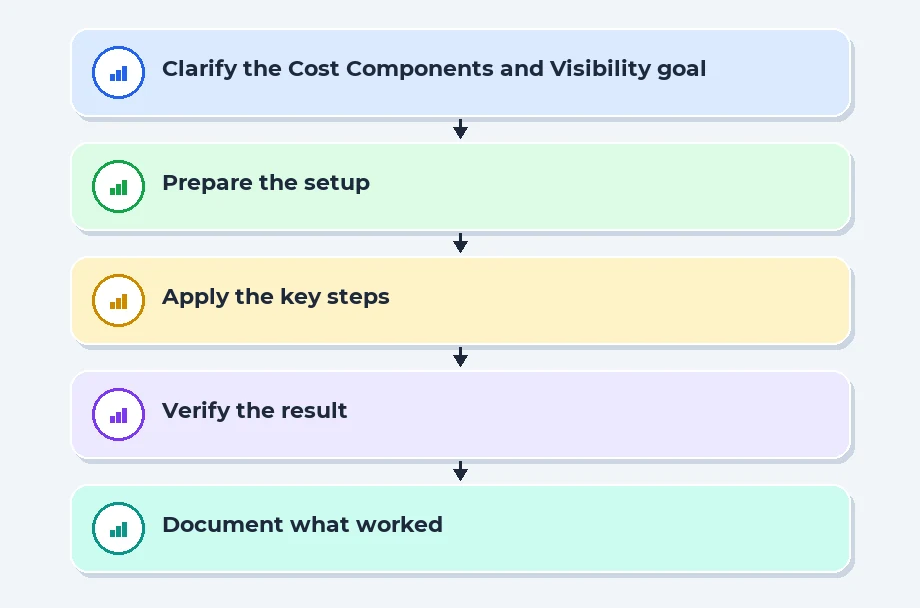
Cost components act as buckets for your expenses. You might have separate buckets for raw materials, external processing, variable labor, and fixed overheads. Why does this matter? Because a single total cost number is useless to a plant manager. If the total cost is too high, the manager needs to know if it is because raw material prices increased or if the labor hours were inefficient. By mapping these to distinct cost components, you gain the visibility required to make operational changes, such as sourcing a cheaper supplier or optimizing the assembly sequence.
Placement Clients


MSME Companies in UK & US
03. Managing Valuation and Profitability
Valuation is the bridge between inventory management and financial accounting. How you value your goods determines not only your tax liability but also how accurately you can report your profit margins. Choosing between a static price and a dynamic one is a strategic decision that affects every department, from procurement to sales.
The Logic of Valuation Methods
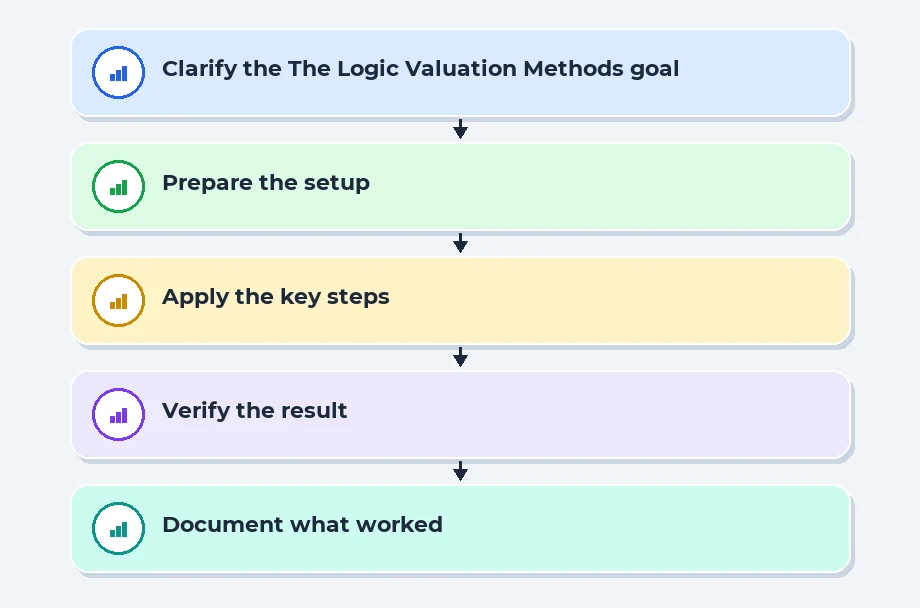
Most organizations use a combination of methods. Standard price is the gold standard for finished goods because it provides a stable, predictable cost that simplifies sales analysis. If you changed the price of a finished desk every time a worker took five minutes longer to assemble it, your sales team would never know what price to quote to a customer. Moving average price, however, is the go-to for raw materials. It tracks market fluctuations, ensuring that the cost of your inventory reflects what you actually paid for the latest shipment.
Comparison of Valuation Approaches
| Feature | Standard Price | Moving Average Price |
|---|---|---|
| Stability | High (Fixed) | Low (Dynamic) |
| Inventory Value | Calculated via Standard | Calculated via Purchase |
| Variance Handling | Generates Variances | Adjusts Inventory Value |
| Best For | Finished Goods | Raw Materials |
When you use standard pricing, the variance between the standard and the actual cost is isolated. This is a good thing. It allows you to "blame" the variance on specific issues-like buying materials at a higher price than expected or production inefficiency. With moving average pricing, those differences are swallowed into the inventory value itself, effectively hiding the inefficiency. For those interested in how these data-heavy systems are tested for quality before go-live, our software testing training covers the methodologies needed to validate these critical financial calculations.
04. Navigating Common Production Failures
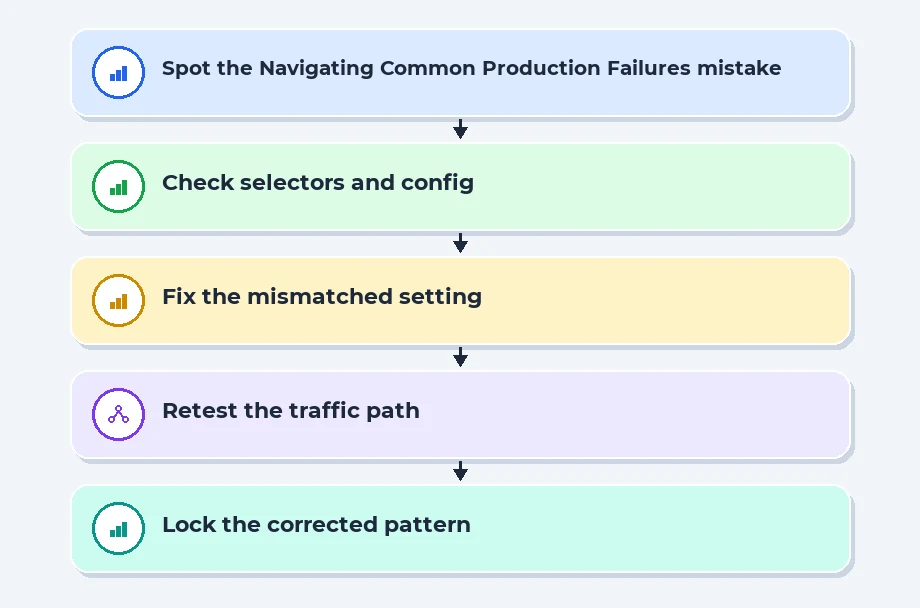
Working in SAP FICO means you will eventually deal with a production order that refuses to settle. When the status of an order remains "DLV" (delivered) but the balance is non-zero, it means there is a mismatch between what was consumed and what was planned. This is where you put on your detective hat.
05. The Mechanics of Valuation and Costing Variance
When we talk about material valuation in SAP FICO, we are really talking about the lifeblood of your inventory accuracy. Many juniors get tripped up by the difference between the standard price and the moving average price, but it comes down to control. In a manufacturing environment, we lock in a standard cost to ensure our production variances are captured clearly at the end of the month. If your standard cost is not reflective of current raw material market prices, you will see massive, confusing swings in your profit margins that have nothing to do with your team's operational efficiency.
Recent Job Descriptions

06. Optimizing Margins Through Cost Transparency
Achieving visibility into your profit margins isn't just about subtracting costs from revenue; it is about understanding the structural integrity of your product pricing. Many companies make the mistake of looking at the total margin at a customer or product line level without drilling down into the specific cost components. If you have a product that looks profitable on paper but carries a high overhead allocation or hidden shipping costs, your actual margin might be paper-thin.
SAP Product Costing allows you to decompose a product's price into its fundamental elements-raw materials, labor hours, machine overhead, and secondary service costs. When you have this granular breakdown, you can identify exactly which part of the manufacturing process is eating into your profitability. Maybe it is the energy-intensive heat-treating step, or perhaps it is the logistics of moving parts between plants. Once you identify the culprit, you can shift your strategy from simply "selling more" to "producing smarter."
Connecting CO-PC to Strategic Decision Making
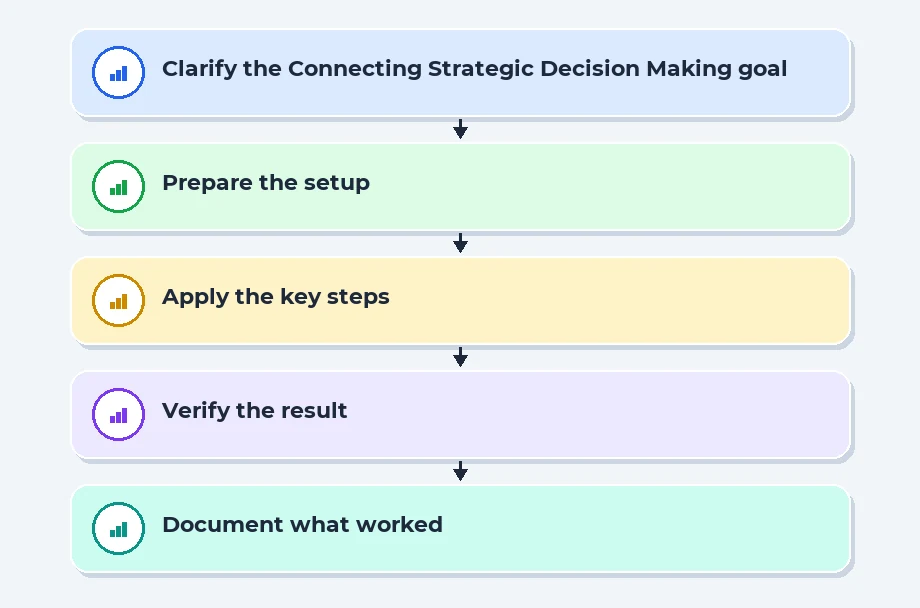
Your role as a finance user or consultant is to bridge the gap between the ledger and the shop floor. When you run a cost estimate, you are creating a simulation of the future. By comparing these simulations to actual historical performance, you help the leadership team decide which products to discontinue and which ones to prioritize for growth.
Never treat cost estimates as a static, once-a-year task. Market conditions change, and supply chain disruptions happen frequently. By keeping your costing runs accurate and updated, you provide the executive team with the most reliable data possible. This turns the finance department from a historical record-keeper into a strategic partner that actively protects the company's bottom line.
07. References
MDN Web Docs:MDN Web Docs
OWASP — Web security resources:OWASP — Web security resources
NIST Cybersecurity Framework:NIST Cybersecurity Framework
08. Conclusion
Mastering SAP Product Costing is about more than just knowing where to click in the GUI. It is about understanding the flow of money as it transforms from raw materials into finished, sellable products. When you understand the relationship between the BOM, the routing, and the financial ledger, you stop being a passive user and start being an active controller of the company's financial health. Profit margins are not just numbers that appear on a report; they are the result of thousands of small, accurate decisions made across the supply chain.
Remember that the system is only as good as the data you feed it. Keep your material masters clean, perform regular audits on your quantity structures, and never ignore the warning logs generated during a costing run. If you run into a roadblock, the answer is almost always hidden in the configuration or the master data settings. By maintaining these high standards, you ensure that your organization remains transparent and efficient. For those looking to expand their technical reach, our Full Stack course offers a deep dive into building the kinds of applications that can effectively interface with these enterprise systems, helping you build a more integrated career.
Navigate to Address
Scoop Labs
59, 2nd Floor, VLM Towers, 10th Cross Road, 2nd Stage, Padmanabha Nagar, Banashankari, Bengaluru, Karnataka 560070
Get Direction: Banashankari
Submit a Request
Recent Posts


